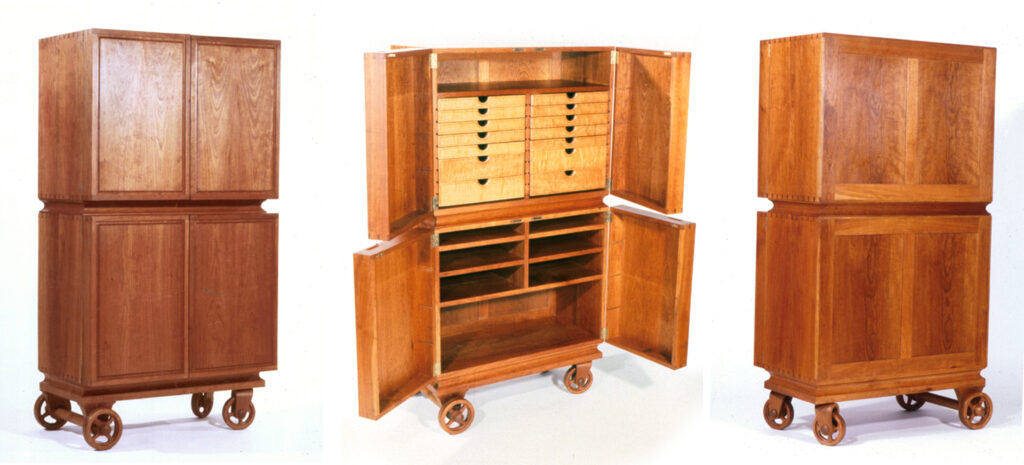
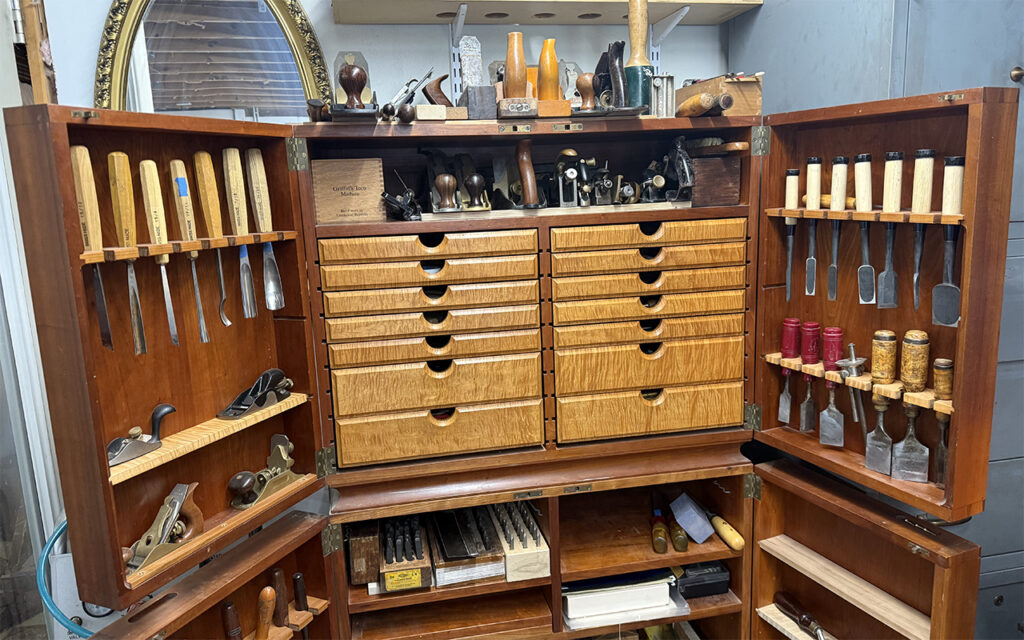
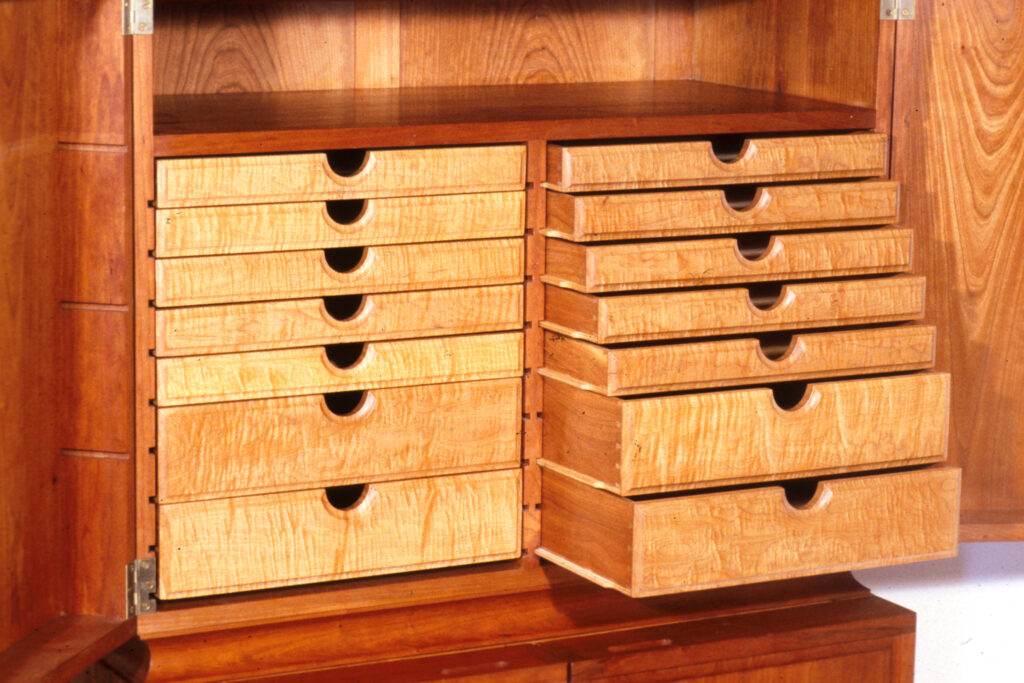
My toolbox has followed me for almost five decades. Cherry sides have deepened to a warm red-brown, tiger maple drawer fronts burnished by years of hands sliding them open and shut. Even now, when I pull one free, it gives a faint sigh — the whisper of wood on wood. To a casual eye it may look ordinary, maybe even messy, yet this chest has carried me through more than any résumé ever could. It began as a student project, but became my anchor — my proof.
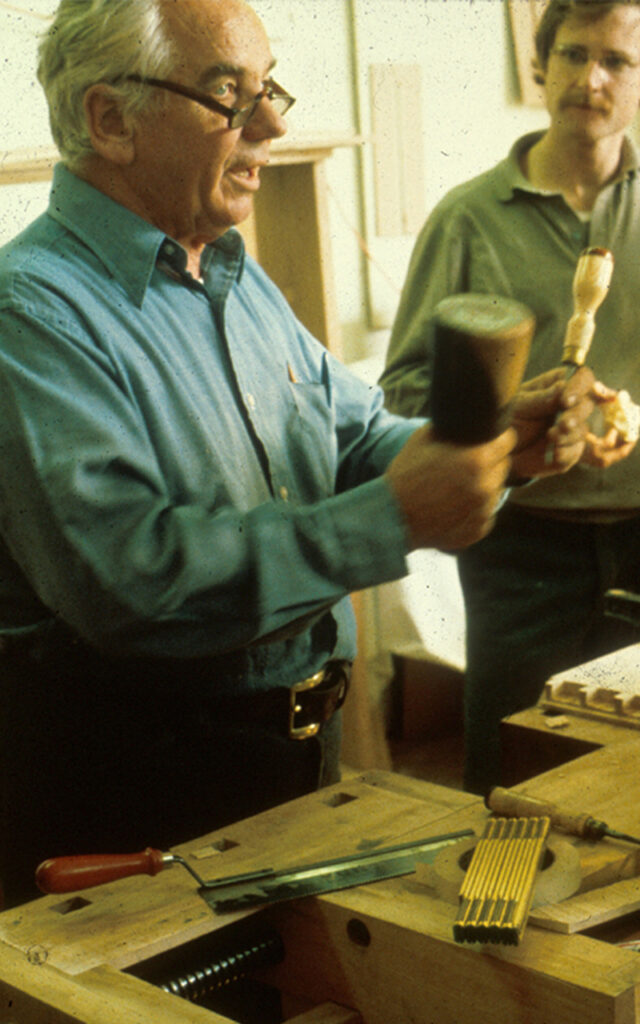
It was born at Rhode Island School of Design (RISD) under the guidance of Tage Frid. The assignment sounded simple: build a toolbox. In practice, it was a test of everything Frid believed in. He reminded us that life as a furniture maker would swing between good years and lean ones. We might even sell work we loved just to keep the “volves” away from the door. But never the toolbox. That was our calling card, our identity — a way to “hook a sucker,” as he liked to say with a sly grin.
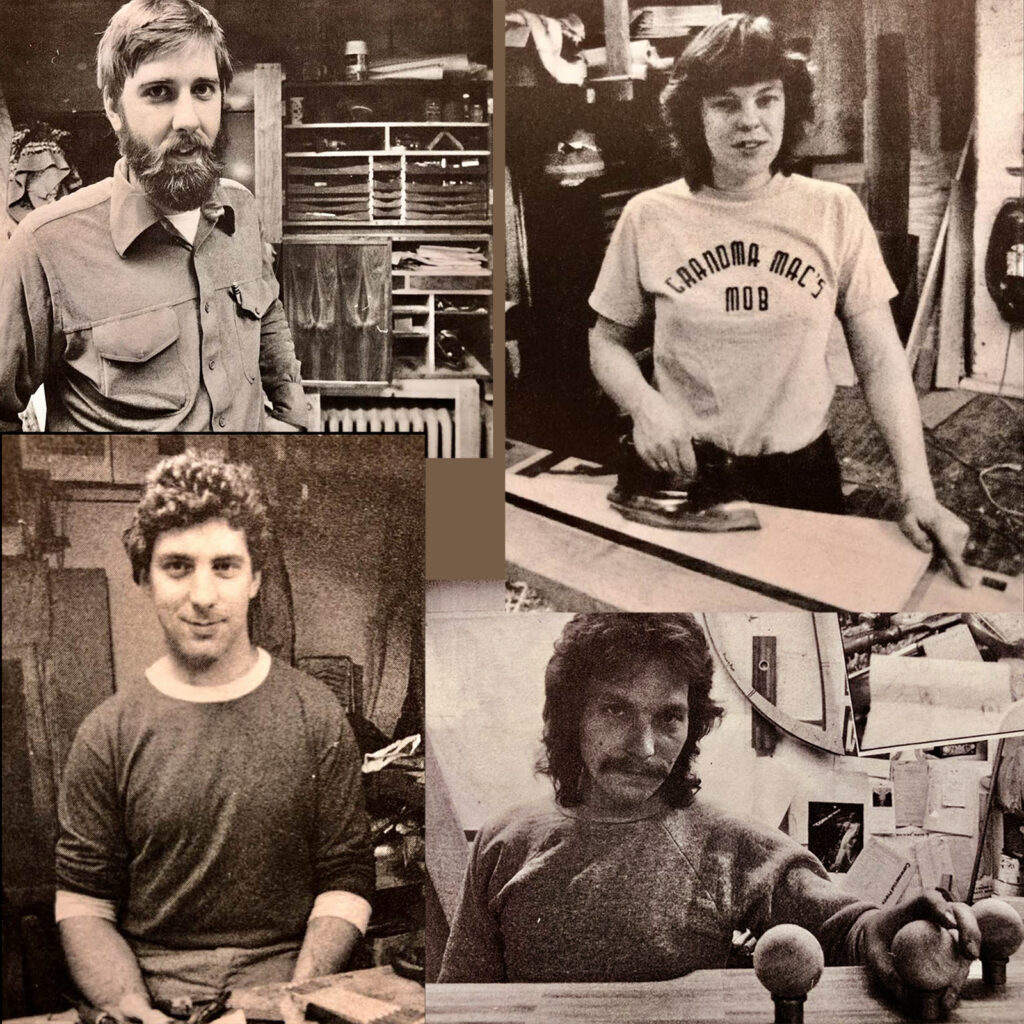
I’d already seen what that meant. Before applying to RISD, I’d visited the shop and met Alphonse Matia, “Fonzie.” His cabinet stood like an orderly world in miniature, tools resting as if in a shrine. It whispered of possibility and convinced me RISD was where I needed to be. Then there was Billy Crozier — “Crowbar” — an undergrad who had studied with Frid for years. His maple toolbox, perched lightly on legs, had the elegance of fine furniture. Both Fonzie’s and Crowbar’s toolboxes became guiding stars.
The graduate studio smelled of fresh shavings, tung oil, and the steam from the old heating pipes. Before we could sketch, Frid had us working, as he had learned to work back home in Denmark, before he came to work as a founding professor at the School of American Craftsmen in 1948. He cut dovetails with a rhythm so natural it seemed imprinted in his body, from his teen years as an apprentice in Copenhagen. Between jokes and taunts — “Vood moves!” — he made mastery look inevitable. Then with a gleam in his eye, he’d bark: “You know that thing you’ve been sitting on? Get it that thing in gear!”
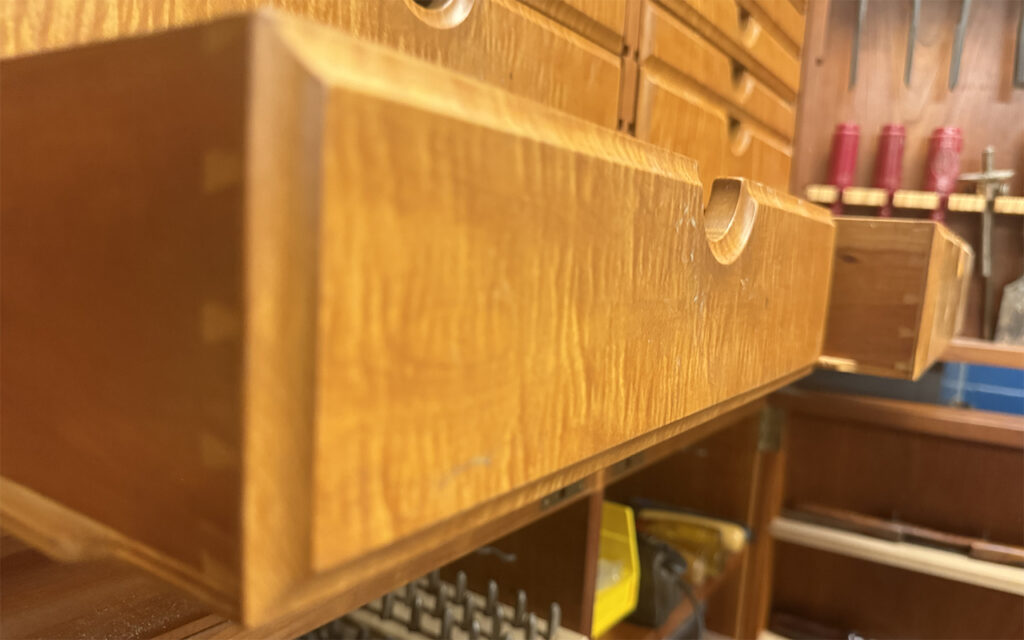
Each toolbox reflected its maker. The inspiration for mine came from a yard-sale haul of cherry and maple. Two stacked modules, joined with dovetails, fourteen drawers hiding half-blind dovetails with curly maple drawer fronts like a magician’s trick. A rolling base inspired by Japanese merchant’s chests, gave it mobility. My only mistake was hardware — hinges too tall to accommodate the grove slides for my drawers requiring surgical alteration on the hinges to give clearance so the drawers would work properly. The scar from that fix still reminds me: always buy hardware first.
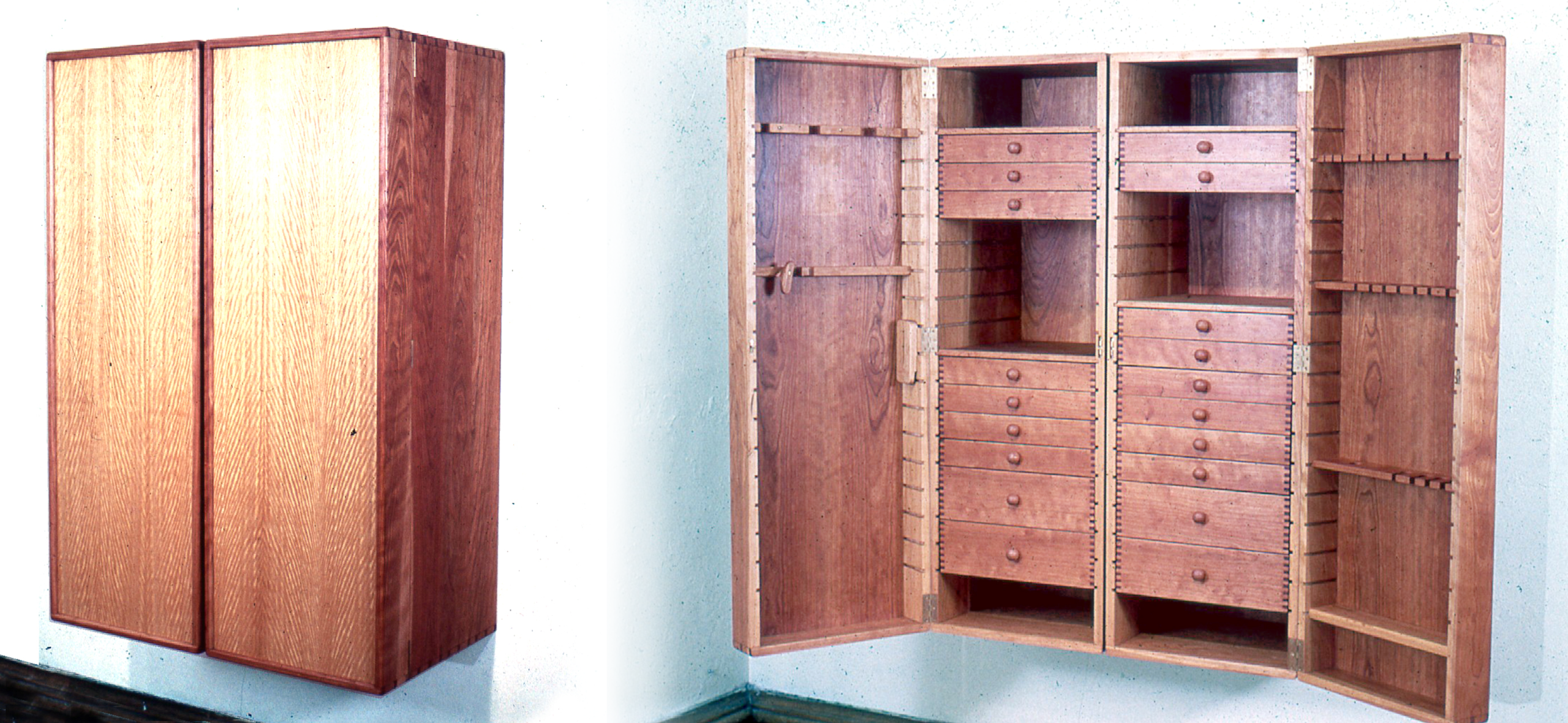
Others took different approaches. My classmate Brian built twin vertical towers with veneered anigre doors, and jigged finger joints for twenty-eight drawers in a single day. His two tool chest hung on the wall with french cleats, his cabinets floated, leaving precious floor space below tools and stuff — though always filled with a pile of “shop mulch” beneath. Frid admired Brian’s simplicity of design and efficiency, mulch and all.
Together, our projects made the shop a chorus. Tom and Janice built cabinets on stands, Brian built upward, I built a rolling chest. Frid drilled into us the same lesson: ideas meant nothing without execution. “Go, go, go!” he urged. For him, creativity lived in the evidence of productivity, wood shavings on the floor by day’s end.
Years later, his prophecy proved true. In the 2009 crash I lost my teaching job in New Hampshire. For the first time in my life I couldn’t find work. With five-year-old twins at home, every day without a paycheck weighed heavy. An impromptu visit to Dalhousie’s School of Architecture brought me a halftime artist-in-residence position — a gift, but only half a living.
I rolled my toolbox into that shop in Halifax. Its cherry had darkened, its maple drawers glowed with age, but it still carried presence. One afternoon a visitor stopped to look. I opened the doors: planes lined up like old friends, drawers whispering open to reveal chisels gleaming. “Do you take commissions?” she asked. That one question led to another, and over the next two years her projects gave our family a foothold.
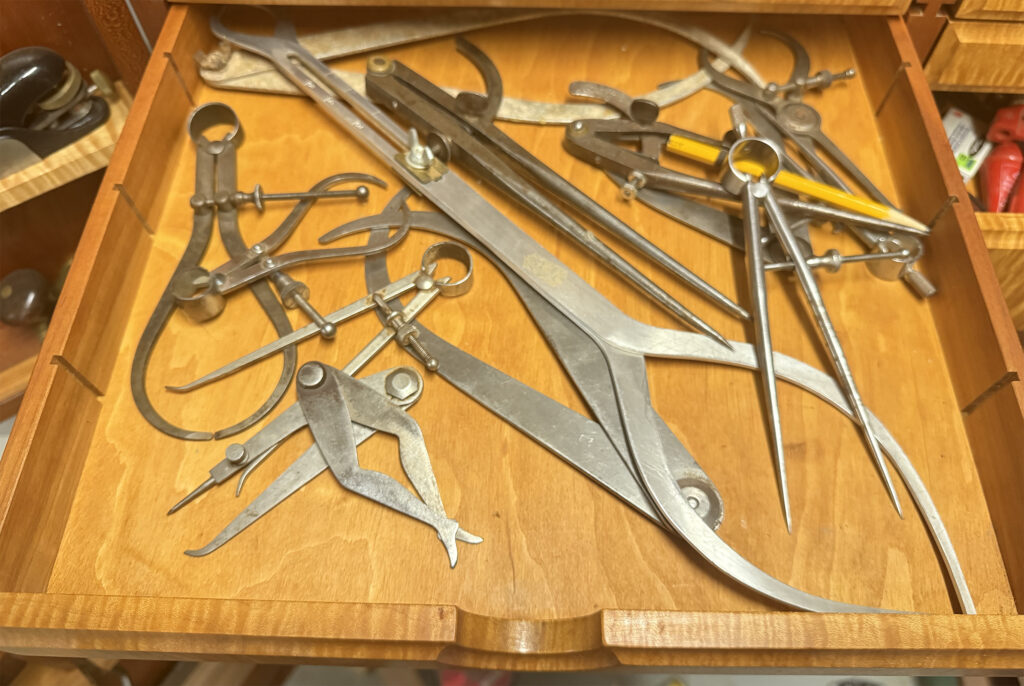
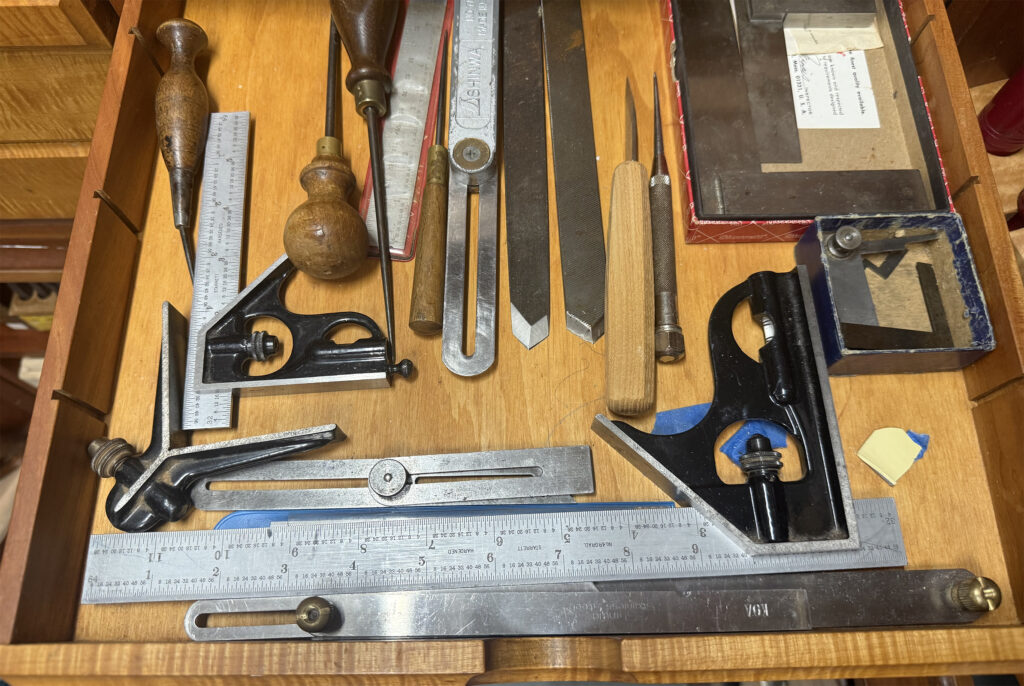
Frid used to say, “you could set the hook” with a good toolbox. Mine did just that — not with trickery, but with presence. It became my calling card, my advocate, my survival. Even now, every time I slide open a drawer, I hear echoes of RISD, of Halifax, of long nights with chisels and saws. It began as an assignment, but became the protagonist of my working life.