Beyond the List: Why Analog Tools Still Matter“
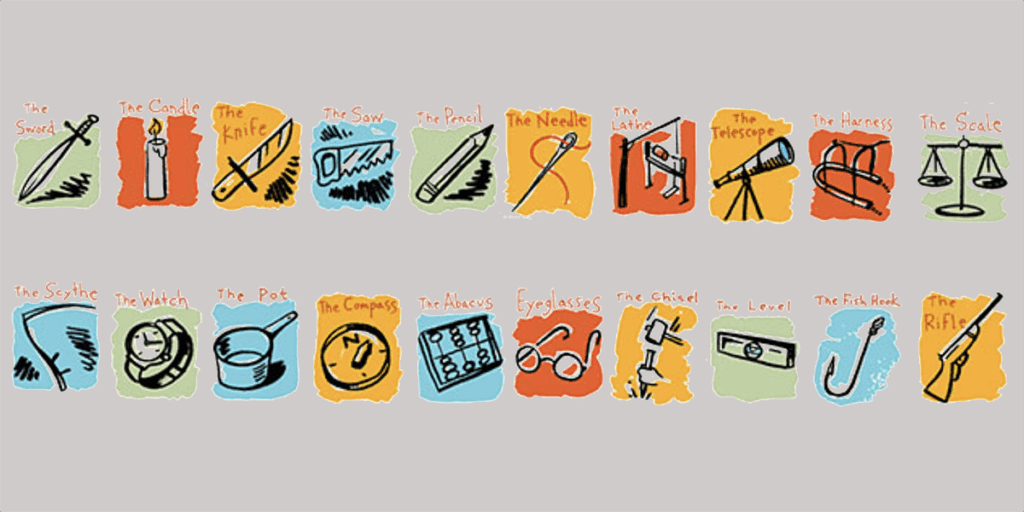
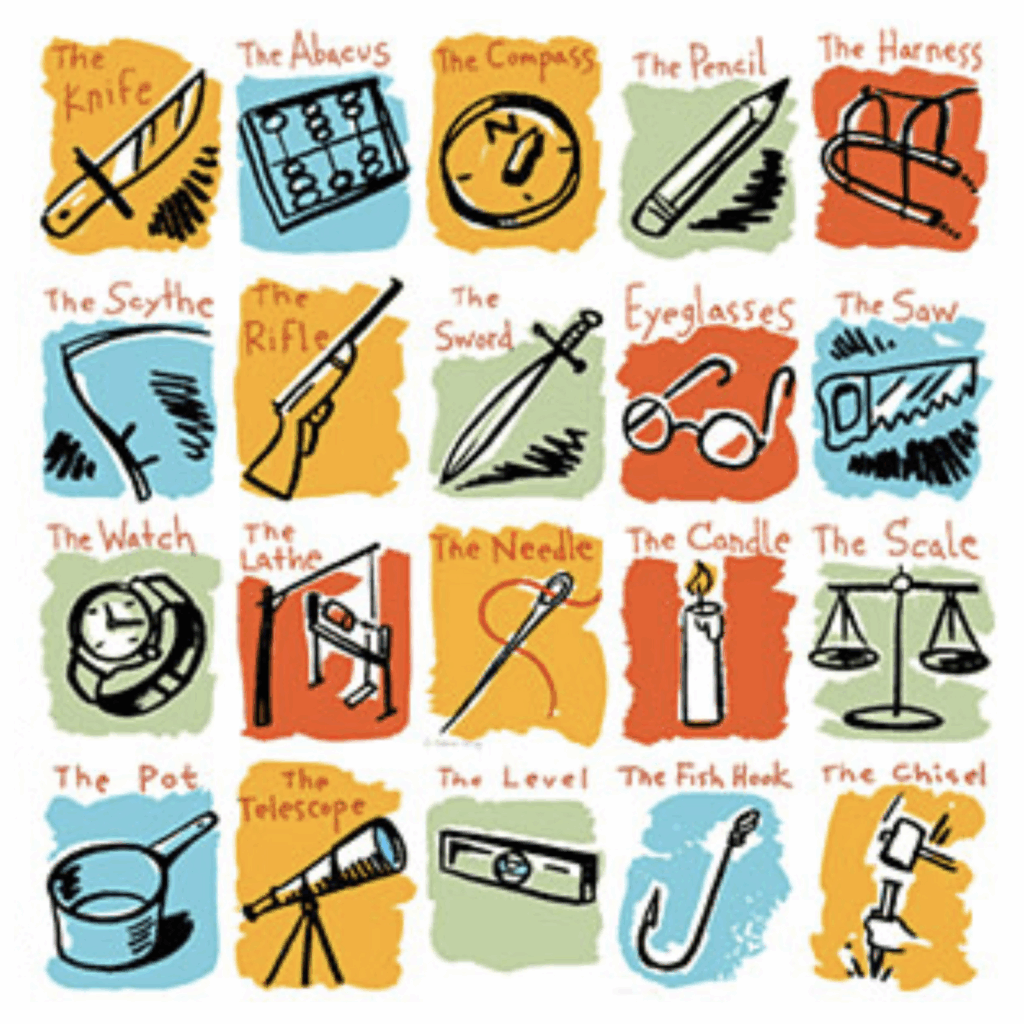
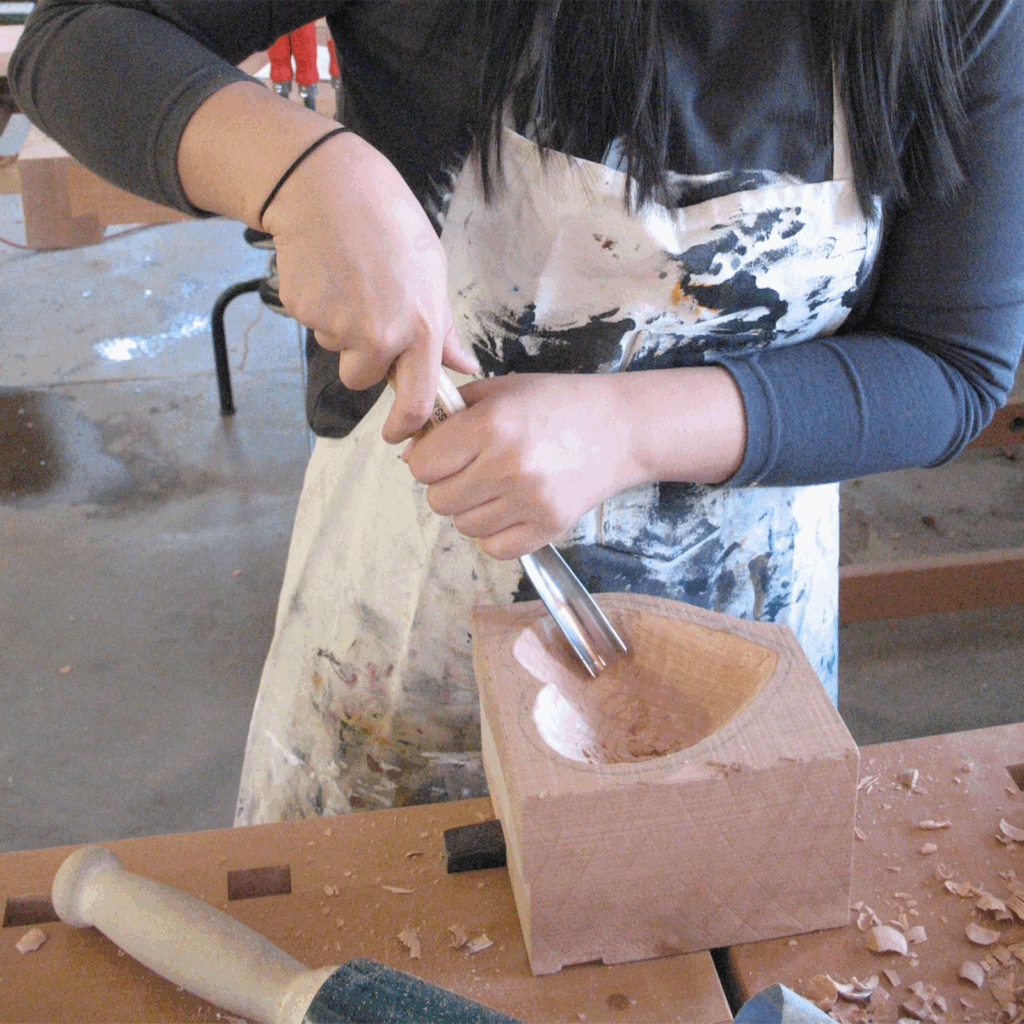
In 2006, Forbes magazine published a list of “The 20 Most Important Tools Ever.” Not machines, not digital devices — but simple, analog tools: the knife, the compass, the chisel, the saw, the needle. Tools that built our homes, clothed our bodies, and shaped human survival.
But here’s the truth: a list can only go so far.
A tool only matters if you actually know how to use it.
The Real Question: Do You Know How to Use Them?
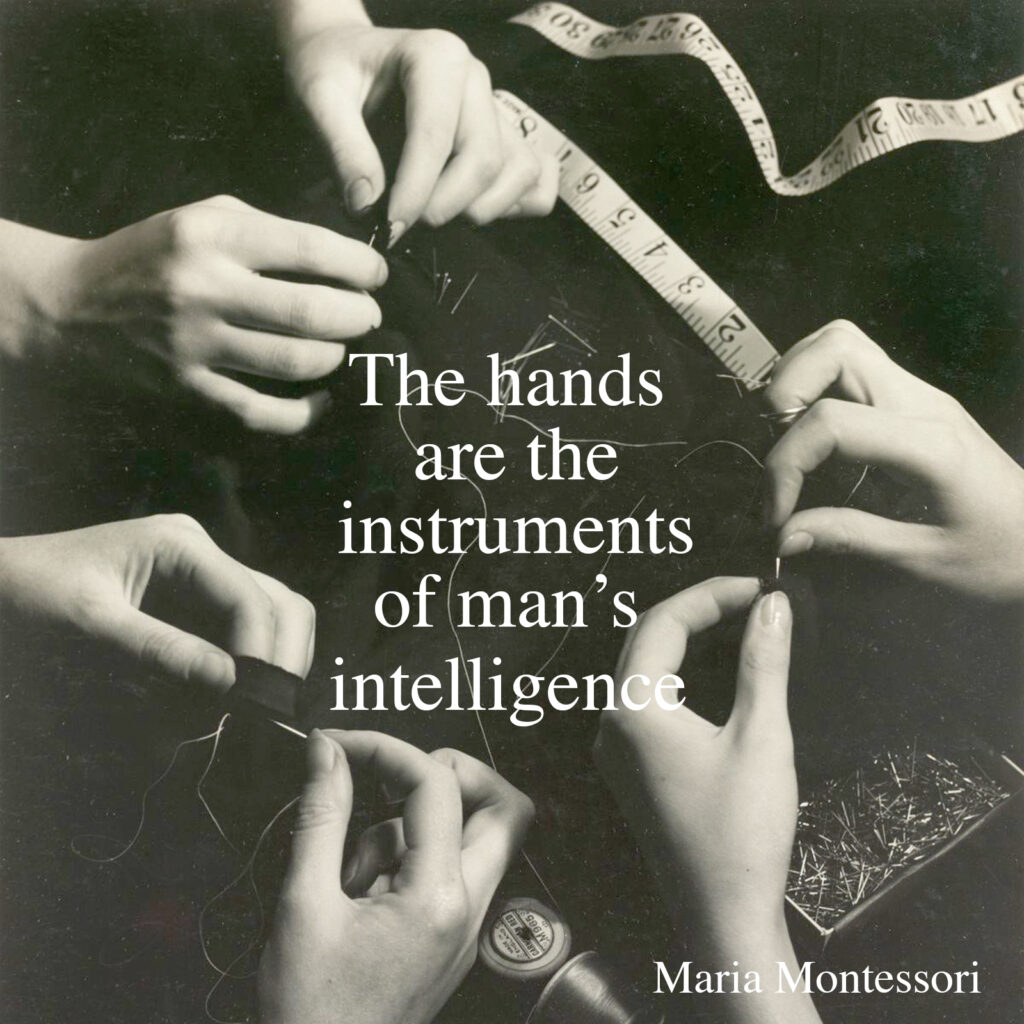
A knife is civilization’s oldest companion — yet many people today don’t know how to sharpen one. A compass once guided sailors across oceans — now most of us panic without GPS. A needle stitched survival into every culture — but threading one feels impossible to many.
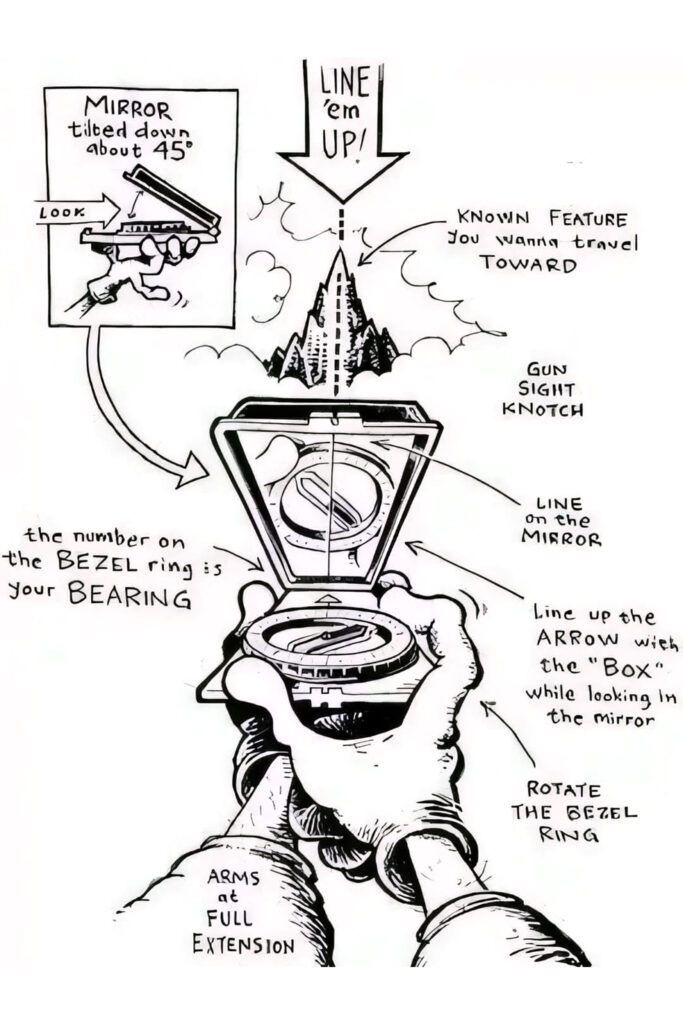
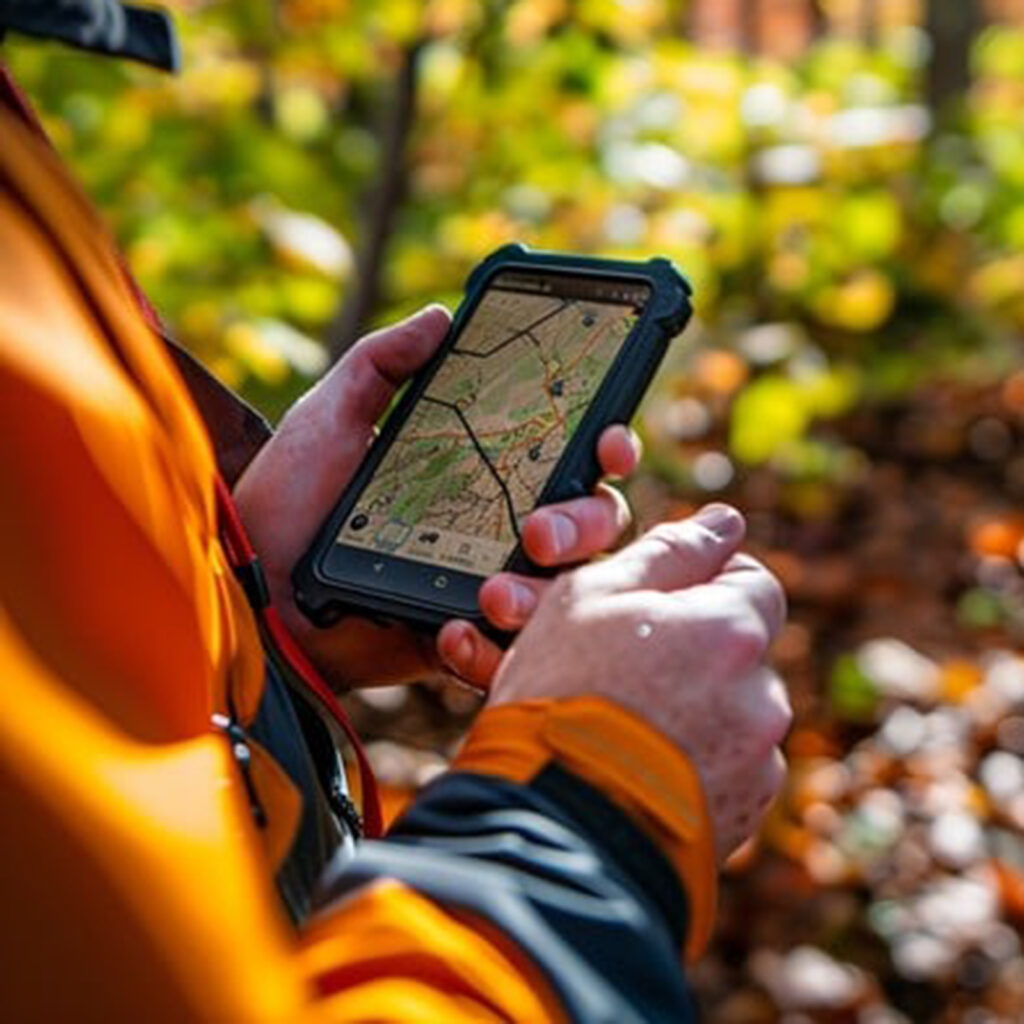
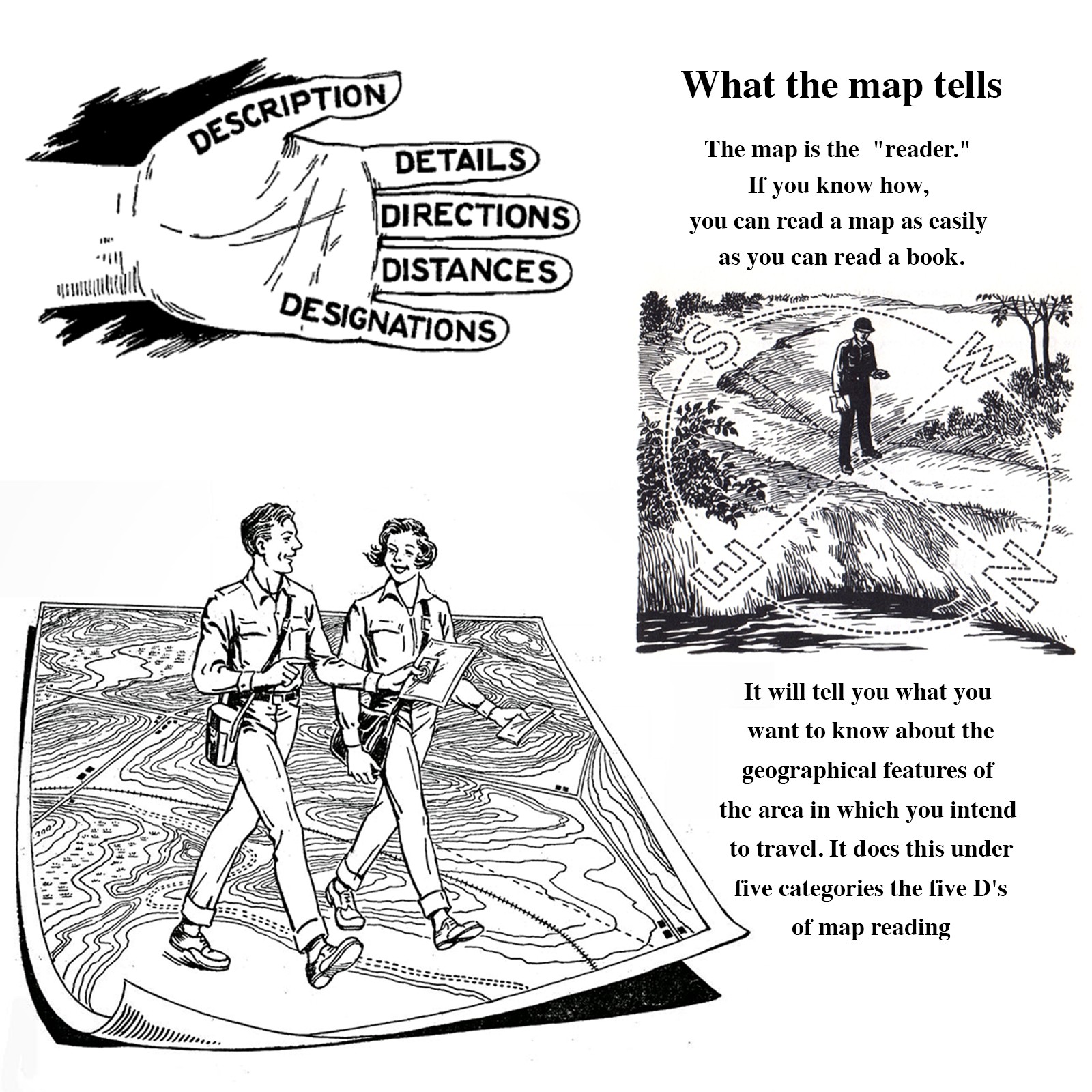
Why learn to use a compass when your phone has one? Because when the signal dies, your life may depend on it.
Tools don’t just build objects. They build people, instilling confidence, fostering creativity, and promoting self-reliance.The empowerment that comes from mastering analog tools is unparalleled.
History Repeats
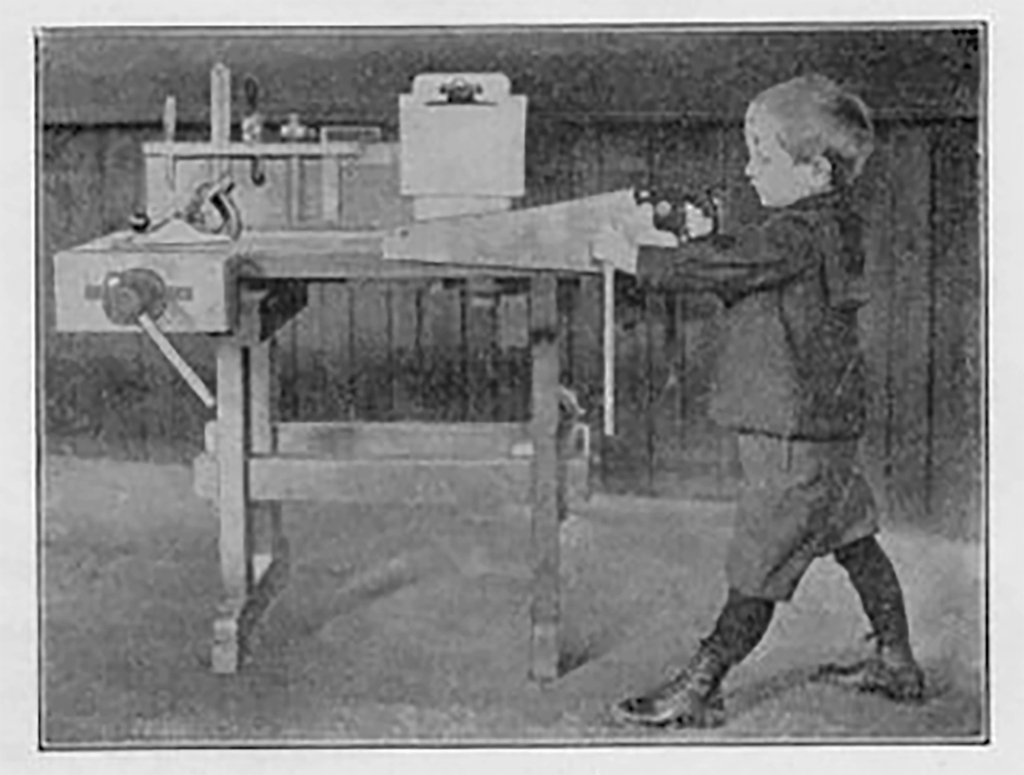
The dominance of digital technology in daily life isn’t the first time culture has drifted away from handwork. The Industrial Revolution displaced artisans, but sparked counter-movements, including the Arts & Crafts movement, the Sloyd system of hand education, and Montessori’s tactile classrooms. Each arose to preserve resilience and meaning in a world rushing toward mass production.
Today, as automation and AI increasingly take over aspects of daily life, we face the same Question: what do we lose when we lose touch with the tools and materials that surround us? What happens when we become so reliant on digital technology that we forget the skills and knowledge that our ancestors used to survive?
Why It Matters More Now
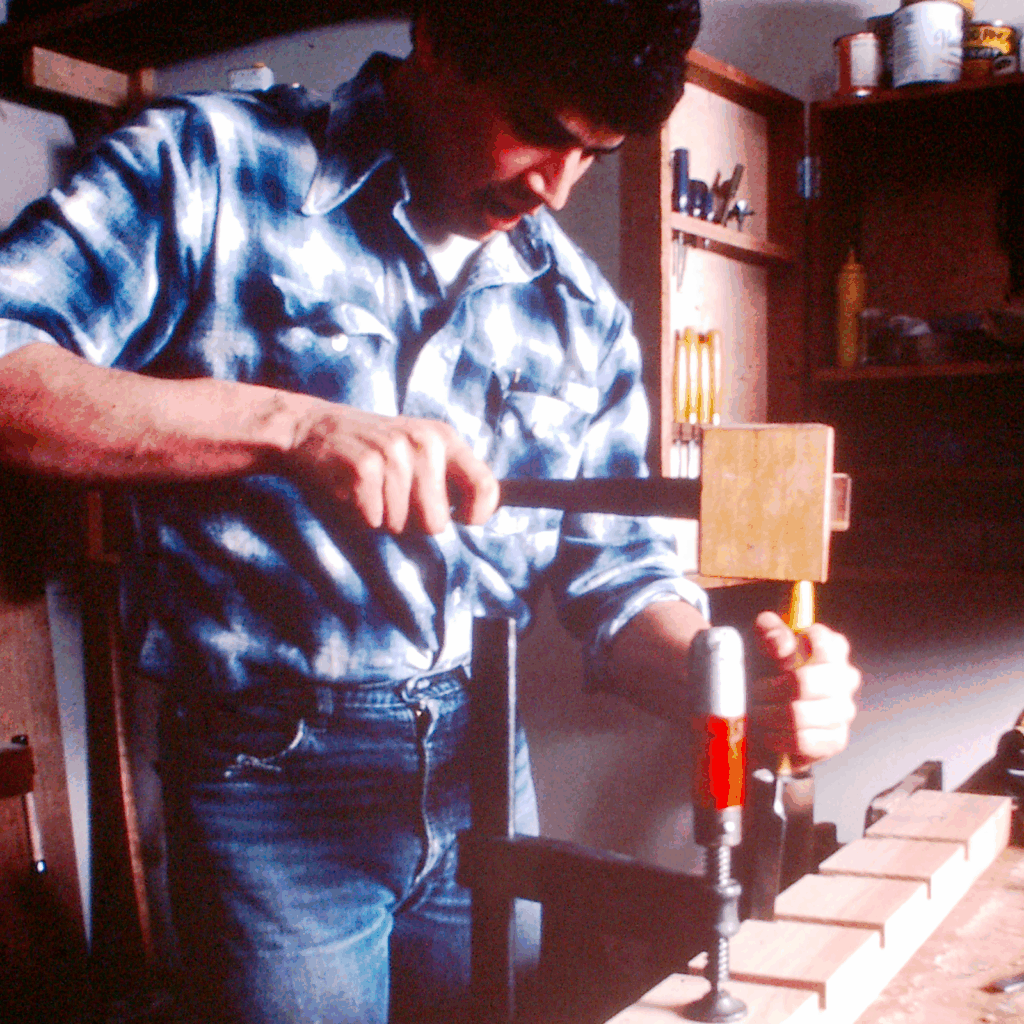
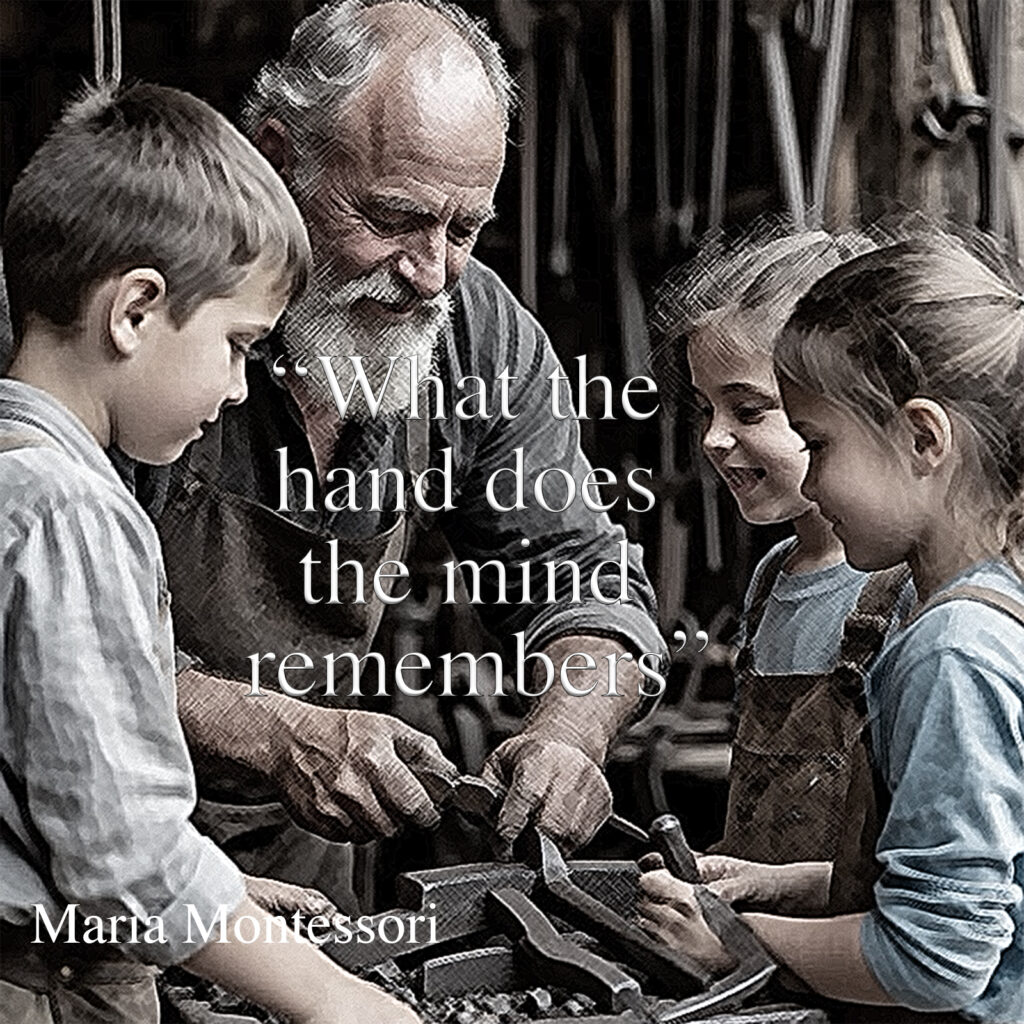
In my own teaching, I’ve witnessed students light up when they realize the potential of a sharp chisel, a working compass, or even a simple woodworking project. It’s not just about survival; it’s about finding joy and fulfillment in understanding and using tools, inspiring a sense of purpose and motivation. Because when you understand tools, you know yourself and your body in a new way.
When Forbes published this list, smartphones were emerging. Today, social media has become a dominant force; AI sorts our feeds, writes our emails, and even completes our sentences. We’ve never been more connected — and yet we’ve never been further from the very tools that built our world.
In the same year of 2006, Walker Weed, a craftsman, teacher, and director at Dartmouth College’s Student Workshops, came by to visit our emerging wood program told me: “I’ve watched building skills and tool use among young people diminish to an almost crisis level, and it leaves me deeply concerned about the direction of our culture.”
Nearly twenty years later, his warning feels even more urgent, urging us to take action and preserve these valuable skills.
Because tools are more than objects, once in the hand, they become stored knowledge. And when you understand materials, you begin to see your connection to the environment — wood as renewable, metal as reforged, plastics as a challenge we can’t ignore.
Pick Up One Tool
Don’t just read about the most important tools. Pick one up. Knife, compass, needle, saw. Learn how to use it. Teach others how to use it. Please pass on this knowledge. The challenge is not just to appreciate the value of these tools, but to actively engage with them and share their importance with others.
Because the most important tool isn’t on a magazine list.
It’s the one you use with your own two hands.
👉 Question for you: If you could master just one analog tool this year, what would it be?
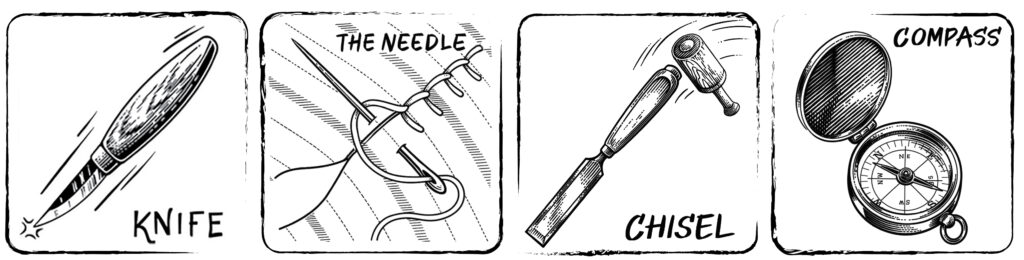
👉 *“Choose one tool. A knife, a chisel, a needle. Start small, then let your skills grow toward the complex — from hand tools to power tools, to learning to mastery.”